


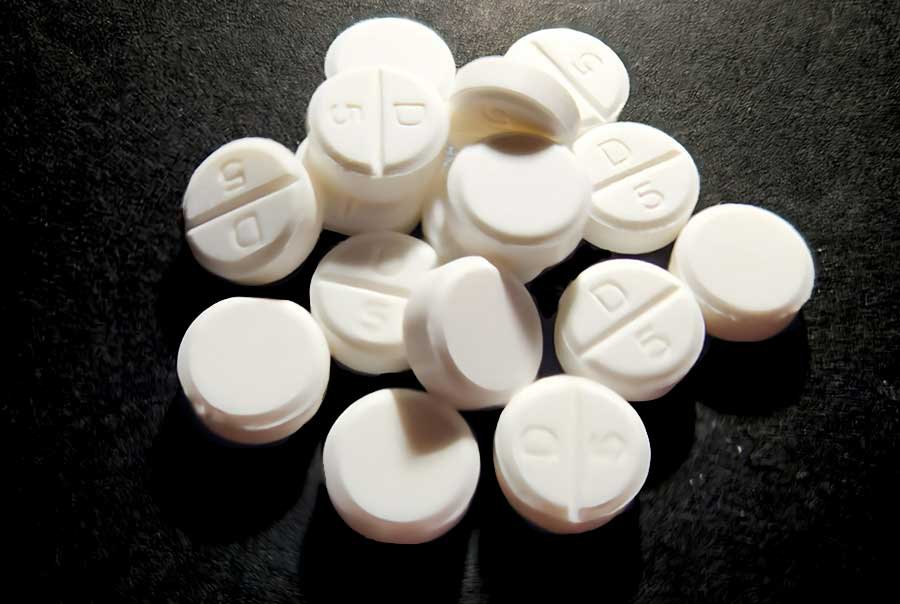

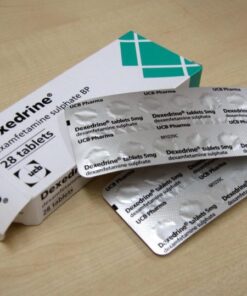

Buy Dexamfetamine 5mg UK

Price range: £260.00 through £710.00
Dexamfetamine 5mg Tablets (brand name Dexedrine in some markets) are a Schedule 2 Controlled Drug and Prescription Only Medicine used for:
- Treatment of Attention Deficit Hyperactivity Disorder (ADHD) in children over 6 and adults when methylphenidate is unsuitable or ineffective
- Management of narcolepsy with cataplexy in adults and children
Dexamfetamine 5mg Tablets UK: The Trusted NHS-Prescribed ADHD Stimulant Medication
Dexamfetamine 5mg (also written as dexamphetamine 5mg) is an MHRA-licensed, NHS-prescribed central nervous system (CNS) stimulant used in the treatment of Attention Deficit Hyperactivity Disorder (ADHD) in children and adults across the United Kingdom. As one of the longest-established ADHD medications available on the NHS, dexamfetamine has a well-documented clinical history spanning several decades and remains a first-line pharmacological option for patients who require short-acting, flexible stimulant therapy.
Whether you have recently received a diagnosis of ADHD, are transitioning from another stimulant, or are looking for detailed prescribing information about dexamfetamine 5mg, this comprehensive UK product guide covers everything you need to know — from mechanism of action and recommended dosage through to side effects, drug interactions, legal status in the UK, and practical advice on obtaining your prescription.

What Is Dexamfetamine 5mg? An Overview for UK Patients
Dexamfetamine sulphate (INN: dexamfetamine; BAN: dexamphetamine) is the dextrorotatory enantiomer of amphetamine and is classified as a Schedule 2 Controlled Drug under the Misuse of Drugs Regulations 2001 in the United Kingdom. It is available in tablet form, with 5mg being the standard and most commonly prescribed dose in both paediatric and adult ADHD treatment regimens on the NHS.
The medication is licensed in the UK for use as part of a comprehensive treatment programme for ADHD, which typically includes psychological, educational, and social measures alongside pharmacological intervention. Dexamfetamine 5mg tablets are available under several brand names in the UK, including Amfexa (manufactured by Euro-Pharm International) and the original Dexedrine preparation, as well as as generic dexamfetamine sulphate tablets dispensed through NHS community pharmacies.
Key Product Information
INN / Generic Name: Dexamfetamine Sulphate
BAN (British Approved Name): Dexamphetamine Sulphate
Common Brand Names (UK): Amfexa, Dexedrine
Dosage Strength: 5mg
Dosage Form: Oral Tablets
Drug Class: CNS Stimulant / Amphetamine
Regulatory Status: MHRA Licensed (UK)
NHS Prescribing Status: Specialist-initiated; can be continued by GP under Shared Care
Controlled Drug Schedule (UK): Schedule 2 — Misuse of Drugs Regulations 2001
Duration of Action: Approximately 4 to 6 hours
Available Strengths: 5mg (standard); 10mg and 20mg also available
Approved Age Range: 3 years and older (ADHD); specialist supervision required
Licensed Uses of Dexamfetamine 5mg in the UK
1. Attention Deficit Hyperactivity Disorder (ADHD)
The primary and MHRA-approved indication for dexamfetamine 5mg in the UK is the treatment of ADHD. According to NICE Clinical Guideline NG87 (Attention deficit hyperactivity disorder: diagnosis and management), dexamfetamine is recommended as a second-line pharmacological option for ADHD in children aged 5 years and over, adolescents, and adults when methylphenidate-based treatments have proved inadequate or are not tolerated.
ADHD is a neurodevelopmental condition characterised by persistent and clinically significant levels of inattention, hyperactivity, and impulsivity that negatively impact functioning across multiple settings including home, school, and work. Dexamfetamine 5mg helps to mitigate these core symptoms by increasing dopaminergic and noradrenergic neurotransmission in the prefrontal cortex — the brain region most responsible for executive function, sustained attention, and impulse regulation.
Core ADHD symptoms addressed by dexamfetamine 5mg include difficulty maintaining concentration on tasks, making careless errors in schoolwork or workplace tasks, failure to complete instructions, disorganisation and poor time management, frequent fidgeting and restlessness, impulsive speech and actions, and difficulty waiting for turns in social or academic situations.
2. Narcolepsy (Specialist Indication)
In addition to ADHD, dexamfetamine may be used off-label or on a named-patient basis by sleep medicine specialists in the UK for the management of narcolepsy — a chronic neurological disorder characterised by excessive daytime sleepiness and sudden episodes of muscle weakness (cataplexy). This use is less common in routine UK prescribing practice, as other agents are typically preferred, but dexamfetamine remains a recognised option within specialist sleep clinics.
How Dexamfetamine 5mg Works: Mechanism of Action
Dexamfetamine 5mg exerts its therapeutic effects through direct action on the monoamine neurotransmitter systems of the central nervous system. Unlike lisdexamfetamine (Vyvanse), dexamfetamine is an immediate-release compound that does not require metabolic conversion before becoming pharmacologically active.
Dopamine Release and Reuptake Inhibition
Following oral ingestion and absorption through the gastrointestinal tract, dexamfetamine enters the bloodstream and crosses the blood-brain barrier. Once in the brain, it acts as a substrate for the dopamine transporter (DAT), causing a rapid reversal of the transporter and triggering a large-scale efflux of dopamine from presynaptic nerve terminals. Simultaneously, dexamfetamine inhibits the reuptake of dopamine from the synaptic cleft. This combined action produces a marked elevation in synaptic dopamine levels, particularly in the prefrontal cortex and striatum.
Noradrenaline Modulation
Dexamfetamine also exerts significant effects on the noradrenergic system. It promotes the release of noradrenaline (norepinephrine) from presynaptic neurons and inhibits its reuptake via the noradrenaline transporter (NET). Increased noradrenergic tone in the prefrontal cortex is associated with improvements in working memory, sustained attention, and cognitive flexibility — all of which are frequently impaired in ADHD.
Net Clinical Effect
The net result of these neurochemical actions is enhanced signal-to-noise ratio in prefrontal cortical circuits, leading to improvements in focused attention, impulse control, organisational ability, and emotional regulation. Because dexamfetamine is an immediate-release formulation, its onset of action is relatively rapid — typically within 30 to 60 minutes of ingestion — and its duration of effect lasts approximately 4 to 6 hours, making it particularly suited to patients who require flexible dosing throughout the day.
Dexamfetamine 5mg Dosage & Administration: UK Prescribing Guidelines
Standard Starting Dose
In accordance with the British National Formulary (BNF) and NICE guidelines, the recommended starting dose of dexamfetamine for ADHD in children aged 3 to 5 years is 2.5mg twice daily, increasing in increments of 2.5mg weekly as required. For children aged 6 years and older, adolescents, and adults, the usual starting dose is 5mg once or twice daily, titrated upwards in increments of 5mg weekly based on clinical response and tolerability.
Typical Maintenance Dosing
Most patients reach a stable therapeutic maintenance dose in the range of 10mg to 20mg per day, administered in two or three divided doses. The maximum recommended daily dose for children is 20mg; for adolescents and adults, doses up to 40mg per day may be used under specialist supervision, though higher doses are associated with a greater incidence of adverse effects and require careful monitoring.
How and When to Take Dexamfetamine 5mg
Dexamfetamine 5mg tablets should be taken orally with a glass of water. They may be taken with or without food, though taking the medication with food may reduce the likelihood of gastrointestinal discomfort. The first dose should be taken in the morning, and subsequent doses should be spaced 4 to 6 hours apart. The last dose of the day should ideally be taken no later than 4pm to minimise the risk of sleep disturbance, which is a common side effect of stimulant medications.
Missed Dose
If a dose is missed, it should be taken as soon as it is remembered, provided it is not close to the time for the next scheduled dose and it is still early enough in the day to avoid affecting sleep. The dose should never be doubled to compensate for a missed one. If in doubt, patients should consult their prescribing physician or NHS pharmacist.
Dexamfetamine 5mg Side Effects: What UK Patients Should Know
Very Common and Common Side Effects
The following side effects have been reported frequently in patients taking dexamfetamine 5mg tablets: decreased appetite and associated weight loss, dry mouth, insomnia or difficulty initiating and maintaining sleep, headache, increased heart rate and palpitations, elevated blood pressure, abdominal pain or nausea, irritability and emotional lability, dizziness, and restlessness. Most of these effects are dose-dependent and may lessen over time as the body adapts to treatment.
Less Common but Clinically Significant Side Effects
Less commonly reported effects include growth suppression in children with long-term use (requiring regular height and weight monitoring), tics or worsening of pre-existing tic disorders, mood changes including anxiety and low mood, and cardiovascular effects such as chest discomfort. Patients with a personal or family history of cardiac conditions should be assessed by a specialist before commencing treatment.
Rare but Serious Side Effects
Rare serious adverse reactions include psychosis-like symptoms such as hallucinations or paranoid ideation, severe allergic reactions (hypersensitivity), Raynaud’s phenomenon characterised by colour changes and numbness in the fingers and toes, and priapism (prolonged painful erection in male patients). Patients should seek immediate medical attention if any of these occur.
Reporting Side Effects in the UK
UK patients and healthcare professionals can report suspected side effects of dexamfetamine 5mg directly to the Medicines and Healthcare products Regulatory Agency (MHRA) via the Yellow Card scheme at yellowcard.mhra.gov.uk. Reporting side effects helps the MHRA monitor the ongoing safety of licensed medicines in the UK.
Drug Interactions and Contraindications
Important Drug Interactions
Dexamfetamine 5mg has several clinically important interactions with other medicines. Monoamine oxidase inhibitors (MAOIs) including phenelzine, tranylcypromine, and isocarboxazid are absolutely contraindicated in combination with dexamfetamine due to the risk of severe hypertensive crisis and serotonin syndrome. This contraindication applies for a minimum of 14 days following discontinuation of any MAOI. Serotonergic agents such as SSRIs, SNRIs, and tramadol may increase the risk of serotonin syndrome when combined with dexamfetamine. Tricyclic antidepressants may have their effects potentiated. Antihypertensive medications may be rendered less effective. Urinary acidifying agents (such as ammonium chloride) may reduce blood levels of dexamfetamine, while urinary alkalinising agents (such as sodium bicarbonate) may prolong its effects.
Contraindications
Dexamfetamine 5mg is contraindicated in patients with: hypersensitivity to amphetamines or any excipient in the formulation; current use of MAOIs or use within the preceding 14 days; advanced arteriosclerosis or symptomatic cardiovascular disease; moderate to severe hypertension; hyperthyroidism; glaucoma; history of drug or alcohol dependence; agitated states; and a diagnosis of or susceptibility to psychosis. Use in pregnancy should be avoided unless the potential benefit clearly outweighs the risk; patients who are pregnant or planning pregnancy should seek specialist guidance.
Dexamfetamine 5mg vs. Other UK ADHD Medications: Comparison
| Feature | Dexamfetamine 5mg | Methylphenidate (Ritalin) | Lisdexamfetamine (Elvanse) | Atomoxetine |
| Drug Class | Amphetamine (IR) | Methylphenidate (IR) | Amphetamine Prodrug (LA) | SNRI (Non-stimulant) |
| Duration | 4 to 6 hours | 3 to 5 hours | Up to 13 hours | 24 hours |
| NHS 1st Line | 2nd line (NICE) | 1st line (NICE) | 2nd line (NICE) | 3rd line (NICE) |
| Abuse Potential | Moderate | Moderate | Lower (prodrug) | Low |
| Flexible Dosing | Yes | Yes | No (once daily) | No (once daily) |
| CD Schedule (UK) | Schedule 2 | Schedule 2 | Schedule 2 | Not controlled |
Obtaining Dexamfetamine 5mg in the UK: NHS and Private Prescriptions
NHS Prescribing Pathway
In England, Scotland, Wales, and Northern Ireland, dexamfetamine 5mg is available on the NHS but must be initiated by a specialist — typically a consultant psychiatrist, paediatrician, or GP with a special interest in ADHD working within a commissioned ADHD service. Following an initial specialist assessment and titration period, ongoing prescribing may be transferred to the patient’s GP under a Shared Care Agreement, subject to local commissioning arrangements. NHS waiting times for ADHD assessment can vary significantly across regions; many areas currently operate waiting lists of one to several years.
Private Prescriptions
Private ADHD assessments and prescriptions for dexamfetamine 5mg are available through a number of CQC-registered private psychiatry clinics and online ADHD services across the UK. A private prescription for a Schedule 2 Controlled Drug such as dexamfetamine must comply with the requirements of Regulation 15 of the Misuse of Drugs Regulations 2001, including being handwritten or printed and signed in ink by the prescriber. Private prescriptions for Schedule 2 Controlled Drugs must be presented to a pharmacist within 28 days of the date of issue.
Prescription Requirements Under UK Law
As a Schedule 2 Controlled Drug, dexamfetamine 5mg is subject to strict prescription requirements in the UK. Prescriptions must include the patient’s full name and address, the name and form of the drug, the total quantity (in both words and figures), the dosage instructions, and the date of issue. NHS prescriptions for Schedule 2 Controlled Drugs cannot be issued as repeat prescriptions and are typically limited to 30-day supplies in accordance with Department of Health guidance.
Storage, Handling, and Legal Status in the UK
Storage Instructions
Dexamfetamine 5mg tablets should be stored at room temperature — below 25 degrees Celsius — in a dry place away from direct sunlight and moisture. They must be kept in their original packaging and stored out of the sight and reach of children. As a Schedule 2 Controlled Drug, dexamfetamine must be stored in a locked receptacle in domestic settings, and in a locked CD cabinet meeting NHS/Home Office specifications in healthcare premises.
Legal Status and Regulatory Framework
Dexamfetamine sulphate is a Class B controlled drug under the Misuse of Drugs Act 1971 and a Schedule 2 Controlled Drug under the Misuse of Drugs Regulations 2001. Unlawful possession carries a penalty of up to 5 years’ imprisonment and/or an unlimited fine. Unlawful supply carries a penalty of up to 14 years’ imprisonment and/or an unlimited fine. It is a criminal offence to possess dexamfetamine without a valid prescription or to supply it to any other person. Travelling internationally with dexamfetamine requires a personal licence from the Home Office for journeys of more than 3 months’ supply, and patients are advised to carry documentation from their prescriber.
Frequently Asked Questions About Dexamfetamine 5mg UK
Is dexamfetamine the same as dexamphetamine?
Yes. Dexamfetamine and dexamphetamine refer to the same active ingredient — dexamfetamine sulphate. The spelling dexamfetamine is the International Nonproprietary Name (INN) used by the MHRA, while dexamphetamine is the older British Approved Name (BAN). Both terms are used interchangeably in UK prescribing.
Is dexamfetamine 5mg available on the NHS?
Yes, dexamfetamine 5mg is available on the NHS in the UK. It must be initiated by a specialist and is subject to local Shared Care Agreement arrangements for ongoing GP prescribing. NHS prescription charges apply unless the patient holds a valid exemption.
How does dexamfetamine compare to Elvanse (lisdexamfetamine)?
The key difference is duration and delivery mechanism. Dexamfetamine 5mg is an immediate-release medication lasting 4 to 6 hours, offering flexible multi-dose daily regimens. Elvanse (lisdexamfetamine) is a long-acting prodrug lasting up to 13 hours, designed for once-daily dosing. The choice between them depends on individual patient needs, lifestyle, and clinical response.
Can adults be prescribed dexamfetamine 5mg for ADHD in the UK?
Yes. Dexamfetamine 5mg can be prescribed to adults with ADHD in the UK, typically following a formal diagnostic assessment by a specialist. NICE guideline NG87 supports pharmacological treatment of ADHD across the lifespan. Adults may access dexamfetamine through NHS specialist ADHD services or via private psychiatry providers.
What should I do if I experience side effects?
If you experience mild or expected side effects such as reduced appetite or difficulty sleeping, speak to your prescribing specialist or GP about dose adjustments or timing changes. If you experience any serious side effects such as chest pain, psychosis-like symptoms, or severe allergic reactions, seek immediate medical attention or call 999. Side effects can also be reported to the MHRA via the Yellow Card scheme.
| Quantity | 112 Tablets, 224 Tablets, 448 Tablets |
|---|
4 reviews for Buy Dexamfetamine 5mg UK
Add a review
Related products
ADHD
ADHD

ADHD
Tony halthon –
My best ever shop thanks you online meds
zounevill –
So happy with my purchase from Online Meds UK. Easy navigation on the site, speedy delivery, and genuine products. Their team made me feel valued as a customer.
Fern Dell –
Ordered Sunday night, in my hands Monday afternoon. The focus and energy boost is exactly what I was hoping for. Everything arrived genuine and private. Couldn’t ask for better!
Benjamin –
Absolutely thrilled with my experience! I ordered Dexamfetamine online through this reliable pharmacy, and the whole process was super smooth and professional from start to finish. The tracking was clear, communication was friendly, and it touched down safely right at my door with no issues at all everything arrived perfectly packaged and on time. This stuff is government-approved for treating ADHD