
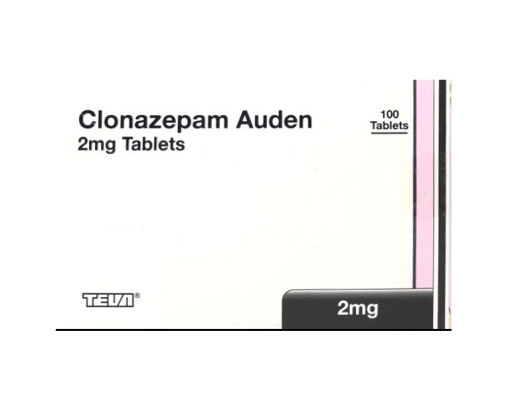

Clonazepam Aurobindo 2mg – Complete Guide to Uses, Dosage, Effects & Safe Use
Clonazepam Aurobindo 2mg is a widely prescribed benzodiazepine medication manufactured by Aurobindo Pharma, one of the world’s leading generic pharmaceutical companies. This medication contains clonazepam as its active ingredient — a potent anticonvulsant, anxiolytic, and muscle relaxant that belongs to the benzodiazepine drug class. It is indicated for the management of seizure disorders, panic disorder, and certain anxiety-related conditions in adults and children. This comprehensive product page provides a medically accurate, SEO-optimized overview of Clonazepam Aurobindo 2mg — including its mechanism of action, approved uses, dosage guidelines, benefits, risks, contraindications, drug interactions, and answers to the most frequently asked patient questions.
What Is Clonazepam Aurobindo 2mg?
Clonazepam Aurobindo 2mg is a generic formulation of Klonopin (the brand-name equivalent), produced under strict pharmaceutical manufacturing standards by Aurobindo Pharma Ltd. Each tablet contains 2mg of clonazepam as the active substance, along with inactive excipients that aid in tablet stability, dissolution, and absorption.
Clonazepam belongs to the benzodiazepine class of central nervous system (CNS) depressants. It enhances the effect of gamma-aminobutyric acid (GABA), the brain’s primary inhibitory neurotransmitter, by binding to benzodiazepine receptors on GABA-A receptor complexes. This results in decreased neuronal excitability, producing anticonvulsant, anxiolytic, sedative, and muscle relaxant effects.
The 2mg dose is among the highest available for clonazepam tablets and is typically reserved for patients who have been titrated upward from lower doses under medical supervision. It is classified as a Schedule IV controlled substance in the United States due to its potential for dependence and abuse.
About Aurobindo Pharma: Quality Generic Medications
Aurobindo Pharma is a globally recognized pharmaceutical manufacturer headquartered in Hyderabad, India, with a significant presence in the United States, Europe, and more than 150 countries worldwide. The company is FDA-approved and operates multiple USFDA-inspected manufacturing facilities that comply with current Good Manufacturing Practice (cGMP) standards.
Clonazepam Aurobindo 2mg tablets are bioequivalent to the brand-name Klonopin, meaning they deliver the same amount of active drug into the bloodstream at the same rate, offering therapeutic equivalence at a more accessible price point for patients.
Medical Uses and FDA-Approved Indications for Clonazepam Aurobindo 2mg
Clonazepam Aurobindo 2mg is approved by the U.S. Food and Drug Administration (FDA) for two primary indications: seizure disorders and panic disorder. It is also used off-label for a range of other neurological and psychiatric conditions under physician discretion.
Clonazepam Aurobindo 2mg for Seizure Disorders
Clonazepam is a first-line or adjunctive treatment for several seizure types, including absence seizures (petit mal), myoclonic seizures, and akinetic seizures. It is particularly effective in Lennox-Gastaut syndrome, a severe form of childhood epilepsy characterized by multiple seizure types and cognitive impairment.
As an anticonvulsant, clonazepam suppresses the spread of electrical discharges in the brain that trigger seizures. Its long half-life — ranging from 18 to 50 hours — allows for twice-daily dosing in many patients, improving adherence and providing consistent plasma levels throughout the day.
Clonazepam Aurobindo 2mg for Panic Disorder and Anxiety
Panic disorder is characterized by recurrent, unexpected panic attacks accompanied by persistent concern about future attacks or significant behavioral changes. Clonazepam 2mg is an effective short-to-medium-term treatment for panic disorder, significantly reducing the frequency and severity of panic attacks.
Clinical trials have shown that clonazepam reduces panic attack frequency by up to 90% in responsive patients. It is often used as a bridge therapy while waiting for SSRIs or SNRIs — the preferred long-term treatments — to reach therapeutic efficacy, which typically takes 4–6 weeks. Off-label uses of clonazepam include generalized anxiety disorder (GAD), social anxiety disorder, restless legs syndrome, acute mania, and certain movement disorders such as akathisia and tardive dyskinesia.
Clonazepam Aurobindo 2mg Dosage and Administration Guidelines
Clonazepam dosing is highly individualized and must always be determined by a licensed healthcare provider based on the patient’s diagnosis, age, body weight, renal and hepatic function, and treatment response. The 2mg tablet is a high-dose formulation reached through gradual titration.
Adult Dosage Recommendations for Clonazepam 2mg
For seizure disorders in adults, the initial dose is typically 0.5mg three times daily, with dose increases of 0.5–1mg every three days until seizures are adequately controlled or side effects become limiting. The maximum recommended daily dose for seizure management is 20mg, though most patients are well-controlled at doses between 4–8mg per day. For panic disorder in adults, the recommended dose range is 0.5–2mg twice daily. The 2mg Aurobindo tablet may be divided or used as a once-daily bedtime dose depending on symptom timing and tolerability. Patients should not abruptly discontinue clonazepam due to the risk of rebound anxiety and withdrawal seizures.
Pediatric Dosing: Clonazepam in Children and Adolescents
For pediatric patients with seizure disorders (up to age 10 or 30kg), the starting dose is 0.01–0.03mg/kg per day divided into 2–3 doses. The 2mg tablet is generally not appropriate as a starting dose for children. Dosage must be carefully calculated by weight, and the 2mg tablet may need to be split or a lower-strength formulation used instead. In adolescents aged 12–17 with panic disorder, clonazepam use has not been formally approved by the FDA but may be prescribed off-label at reduced doses. Clinical judgment and careful monitoring are essential in this age group.
Clinical Benefits of Clonazepam Aurobindo 2mg
When used appropriately under medical supervision, Clonazepam Aurobindo 2mg provides several well-documented clinical benefits. Its rapid onset of action — typically within 20–60 minutes of oral ingestion — makes it effective for acute symptom management. Its long half-life supports stable plasma concentrations, reducing the fluctuation in drug levels that can contribute to symptom breakthrough or inter-dose withdrawal.
For epilepsy patients, clonazepam offers meaningful seizure reduction, improved quality of life, and greater functional independence. For panic disorder patients, it delivers fast relief from debilitating panic attacks, allowing individuals to engage more effectively with their daily activities, therapy, and rehabilitation. Its generic formulation by Aurobindo also provides significant cost savings compared to the brand-name Klonopin, increasing accessibility for patients without comprehensive insurance coverage.
Side Effects of Clonazepam Aurobindo 2mg: Common and Serious Risks
Like all benzodiazepines, Clonazepam Aurobindo 2mg carries a risk of side effects ranging from mild and manageable to serious and potentially dangerous. Patients and caregivers should be fully informed before beginning treatment. Common side effects include drowsiness and sedation, dizziness and impaired balance, cognitive slowing and memory difficulties, increased saliva production, muscle weakness, and depression or emotional blunting. These effects are often dose-dependent and may diminish with time as the body adjusts to the medication.
Serious Risks, Dependence, and FDA Black Box Warning
Clonazepam carries a black box warning from the FDA regarding the risks of abuse, misuse, addiction, physical dependence, and withdrawal reactions. Benzodiazepine dependence can develop with prolonged use — even at therapeutic doses — and withdrawal from clonazepam can cause life-threatening seizures if done abruptly.
Respiratory depression is a serious risk, particularly when clonazepam is combined with opioids, alcohol, or other CNS depressants. The FDA has issued a boxed warning about the concomitant use of benzodiazepines and opioid medications due to the risk of profound sedation, respiratory depression, coma, and death.
Long-term use of clonazepam has been associated with cognitive decline, increased fall risk in elderly patients, and paradoxical reactions including increased anxiety, agitation, and aggressive behavior in a subset of patients — particularly children and the elderly.
Clonazepam Aurobindo 2mg Drug Interactions and Contraindications
Clonazepam has numerous clinically significant drug interactions that require careful management. Central nervous system depressants — including opioids, alcohol, sleep medications, antipsychotics, antihistamines, and other benzodiazepines — produce additive CNS depression when combined with clonazepam, increasing the risk of over-sedation and respiratory compromise.
CYP3A4 inhibitors such as fluconazole, erythromycin, and certain HIV protease inhibitors can increase clonazepam plasma concentrations, intensifying both therapeutic and adverse effects. Conversely, CYP3A4 inducers like rifampicin, carbamazepine, and phenytoin can reduce clonazepam levels, potentially diminishing seizure control. Clonazepam is contraindicated in patients with severe hepatic insufficiency, acute narrow-angle glaucoma, and known hypersensitivity to benzodiazepines. It should be used with extreme caution in patients with respiratory disease, sleep apnea, history of substance use disorder, or significant depression with suicidal ideation.
Storage Instructions and Legal Status of Clonazepam Aurobindo 2mg
How to Store Clonazepam Aurobindo 2mg Tablets Correctly
Clonazepam Aurobindo 2mg tablets should be stored at controlled room temperature between 68°F and 77°F (20°C–25°C). Keep tablets in their original, tightly sealed container, away from moisture, direct sunlight, and heat sources. Do not store in bathrooms or near kitchen sinks where humidity is elevated.
As a Schedule IV controlled substance, clonazepam should be kept in a secure, locked location inaccessible to children, adolescents, or any individual for whom it has not been prescribed. Unused or expired tablets should be disposed of through an FDA-approved medication take-back program or by following safe at-home disposal guidelines.
Prescription Requirement and Regulatory Classification
Clonazepam is classified as a Schedule IV controlled substance under the U.S. Controlled Substances Act. While Schedule IV substances carry a lower potential for abuse than Schedule II drugs like Adderall, they still require a valid prescription from a licensed healthcare provider. Prescriptions for clonazepam may be refilled up to five times within six months of the original prescription date, subject to state laws. Purchasing, distributing, or possessing clonazepam without a valid prescription is illegal and subject to federal and state criminal penalties. Only obtain Clonazepam Aurobindo 2mg through a licensed pharmacy with a legitimate prescription from your treating physician, psychiatrist, or neurologist.
Frequently Asked Questions About Clonazepam Aurobindo 2mg
Is Clonazepam Aurobindo 2mg the Same as Klonopin?
Yes. Clonazepam Aurobindo 2mg is a generic equivalent of Klonopin 2mg. It contains the same active ingredient — clonazepam — at the same dose and has been demonstrated to be bioequivalent to the brand-name product by the FDA. The main difference is price: generic clonazepam is significantly less expensive than Klonopin.
How Long Does Clonazepam 2mg Stay in Your System?
Clonazepam has a long elimination half-life of 18–50 hours. It can be detected in urine for approximately 3–7 days after a single dose, and up to 30 days with chronic use in some individuals. Blood and saliva detection windows are typically 1–3 days. These timeframes vary based on metabolism, age, body composition, and hydration levels.
Can Clonazepam 2mg Be Taken Long-Term?
Clonazepam is generally recommended for short-to-medium-term use due to the risk of tolerance and physical dependence with prolonged therapy. For seizure disorders, long-term use may be clinically necessary and appropriate under specialist supervision. For anxiety and panic disorder, treatment guidelines recommend transitioning to non-benzodiazepine therapies — such as SSRIs, CBT, or other medications — for long-term management whenever possible.
What Happens If You Stop Taking Clonazepam 2mg Suddenly?
Abrupt discontinuation of clonazepam — especially at higher doses or after prolonged use — can trigger a severe benzodiazepine withdrawal syndrome. Symptoms include rebound anxiety and insomnia, tremors, sweating, palpitations, and in serious cases, seizures and psychosis. Tapering should always be done gradually and under direct physician supervision using a structured dose-reduction schedule.
| Quantity | 100 pills, 200 pills, 400 pills |
|---|
2 reviews for Clonazepam auden 2mg uk
Add a review
Related products


ANXIETY PILLS


ANXIETY PILLS
Carol Kay –
Clonazepam Auden 2mg UK — what a touchdown! The whole process was effortless, delivery was crazy quick and super private. These work exactly as I needed and I finally feel relaxed again. Genuine product, brilliant team — 10/10 experience!
Federico –
last week and it was super easy. Payment went through without a hitch, and the package touched down safely at my door in just a few days. Pills look legit and work great for my anxiety. Highly recommend!